Visibility · Search
The Ten Commandments of SEO
When people search for what you do on Google, Bing or Maps, these ten are how they find you. Under them: this week’s search news and what the evidence says.
So people find you
- IThou shalt put thy words in the page.
Some sites build their text with scripts after the page opens. Google often misses those words, and AI assistants like ChatGPT usually do. Try it: switch off JavaScript in your browser and reload. What stays on screen is what search can find.
- IIThou shalt work on a phone.
Google ranks the phone version of your site. Everything you want found belongs on the phone screen too: the text, the photos, the prices.
- IIIThou shalt have one address.
yoursite.com and www.yoursite.com count as two sites to Google. Pick one, send visitors from the other to it (a redirect), and name the real one in each page’s code (a “canonical” tag).
- IVThou shalt hand Google a map.
A sitemap is a list of every page you want found. Keep only finished, working pages on it, and give it to Google in Search Console, Google’s free dashboard for site owners.
- VThou shalt claim thy listing on Google Maps.
Your free Google Business Profile is the listing people see on Maps and beside your search result: hours, photos, phone number, reviews. Claim it, verify it, and keep the hours and number current.
So they choose you
- VIThou shalt name every page.
The page title is the blue link people click in Google. The description is the two lines under it. Write both for every page, in the words your customer would use.
- VIIThou shalt speak as they search.
Search Console shows the exact words people typed before they reached you. Use those words on your page, with every spelling people use, all on the one page.
- VIIIThou shalt sign thy work.
Put a real name, a date and who you are on what you publish. Google’s own guidelines now count made-up authors and fake headshots as deception.
- IXThou shalt give every page something of its own.
Your own text, photos, prices or hours. Google’s spam rules target sites that turn out many pages with little on them. A page that is only a template gets a “noindex” tag, which keeps it useful to visitors and out of Google.
- XThou shalt give each piece one home.
When the same article sits on two of your sites, Google shows only one, and Google chooses which. Publish it once and link to it from everywhere else.
On the feeds now
This Week in Search
 Search Engine Journal · 2 weeks ago
Your Audience Uses AI But Doesn’t Trust It – Build Content For The Gap
People research with AI, then doubt what it tells them. Search Engine Journal’s advice for winning them over: cite your sources plainly, write separately for each kind of customer, and be candid about what your product is for. Those are the pages buyers trust enough to act on.
 Search Engine Journal · 2 weeks ago
I Tested DeepSeek’s New Search Api, Here’s How It Ranks And Scores Websites
A tester put DeepSeek’s new search engine for AI apps through its paces. The finding that matters: when results were filtered by date, every page without a visible publish date disappeared, about 11% of results. Put a date on every article and post.
 Search Engine Roundtable · 2 weeks ago
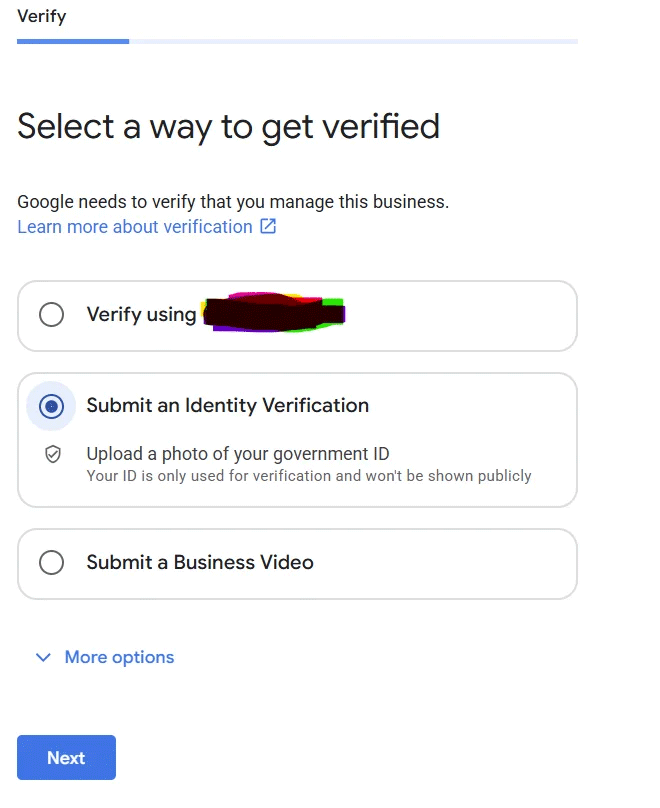
Google Business Profiles Verification With Government ID
Google is testing a new way to prove you own your business listing on Google Maps: upload a photo of your government ID. It joins the phone, email, video-call and postcard options. Verification is what lets you edit your listing and answer reviews.
 Search Engine Roundtable · 2 weeks ago
Google Search Internal Issues With Square Brackets [] Punctuations In URLs
Google’s John Mueller says Google has seen internal problems with web addresses that contain square brackets [ ]. If your links use brackets, as some shop filters and site-search pages do, those pages may be handled incorrectly. Letters, numbers and hyphens are the dependable choice.
 Search Engine Roundtable · 2 weeks ago
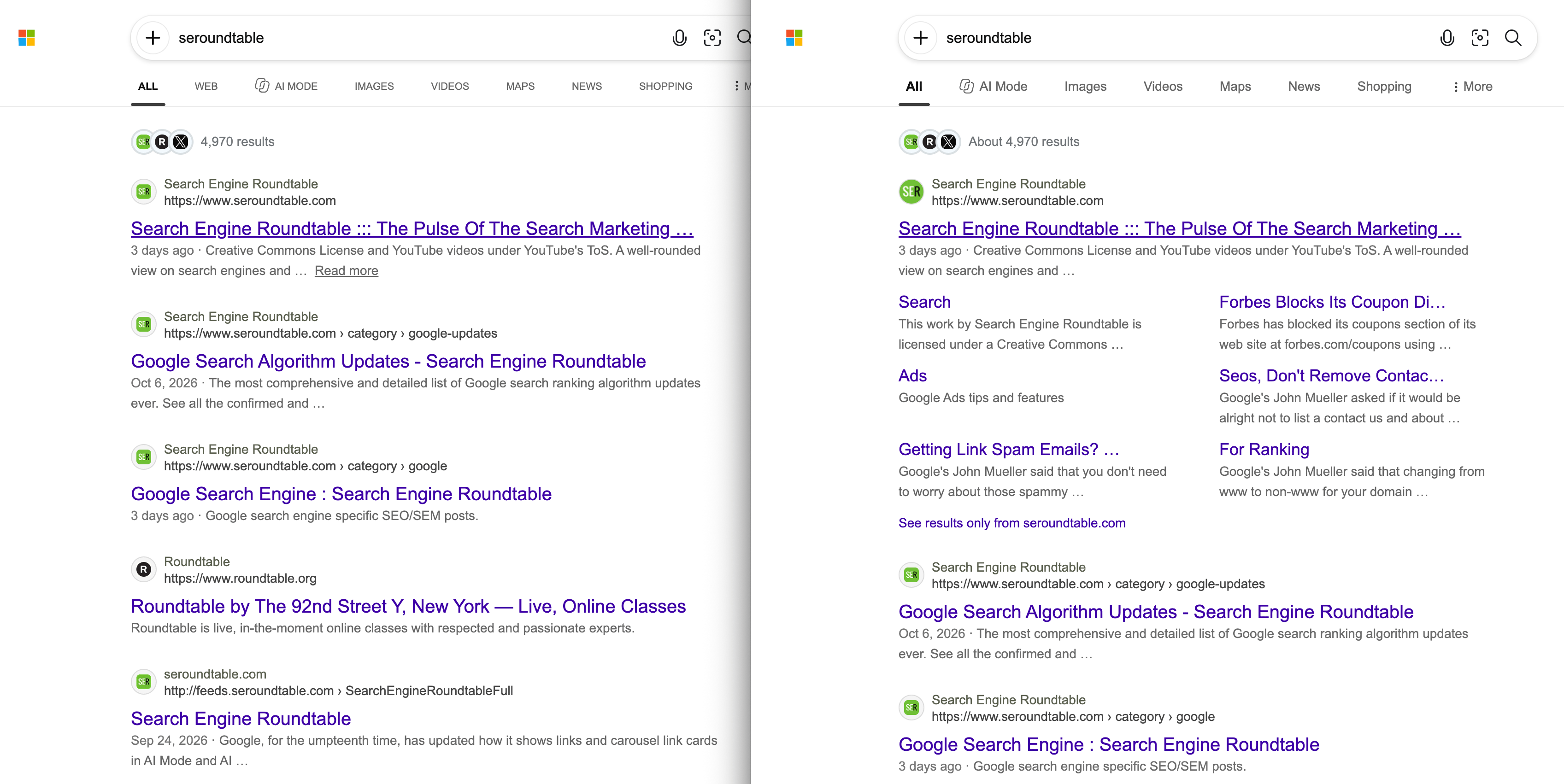
Bing Tests Not Showing Sitelinks
Bing is testing search results without sitelinks, the row of extra links to a site’s inner pages under its top listing. Without them, a search for your brand shows one link to you instead of several.
 Search Engine Roundtable · 2 weeks ago
Google Business Profiles Review Appeals Are Delayed Again
Disputing a review on your Google business listing? Expect to wait. Google says review appeals are taking longer than usual because of high volume. File once and note the date you filed.
 Search Engine Roundtable · yesterday
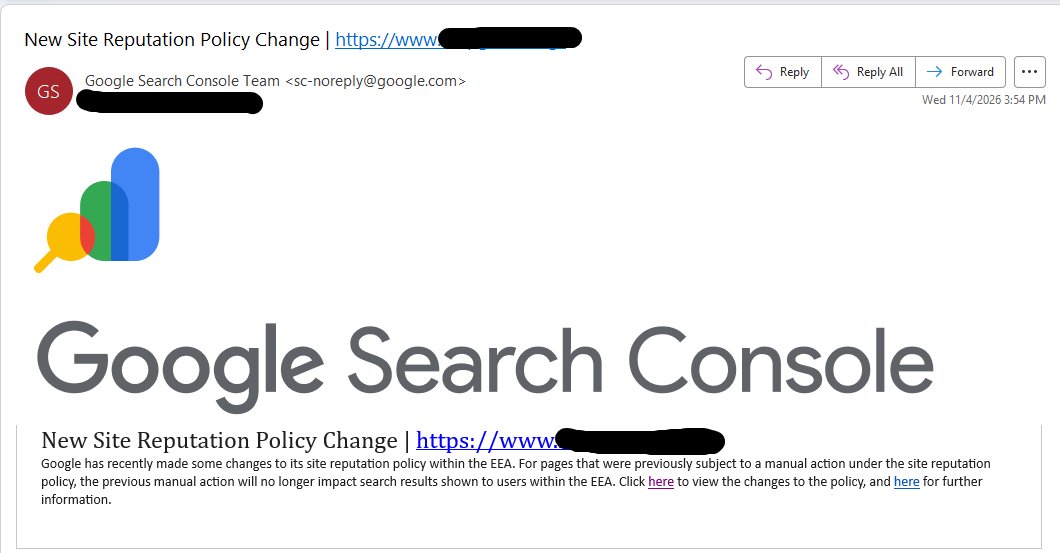
Google Emails: Site Reputation Policy Manual Actions No Longer Impact EEA
Sites penalized under Google’s site reputation abuse policy are now being told by email that those penalties stopped applying in European search results on August 30, two months ago.
 Search Engine Roundtable · yesterday
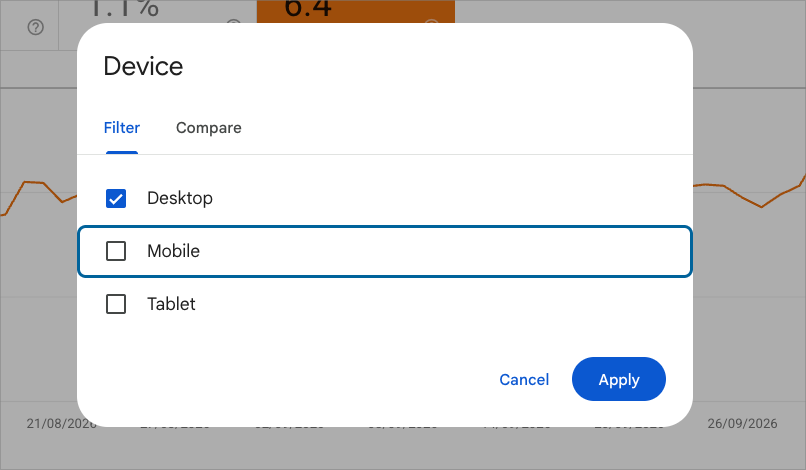
Google Search Console Performance Report Multi-Select Device Filters
Site owners can now pick more than one device type at a time when filtering Search Console’s performance report, matching the multi-select option Google added earlier for countries.
 Search Engine Journal · yesterday
The 11 SEO Features Every CMS Should Ship With (Most Still Don’t)
A consultant lists what a website platform should handle without developer help, including server-rendered pages most AI crawlers can read, an editable robots file, correct error pages and safe redirects.
 Search Engine Roundtable · 2 days ago
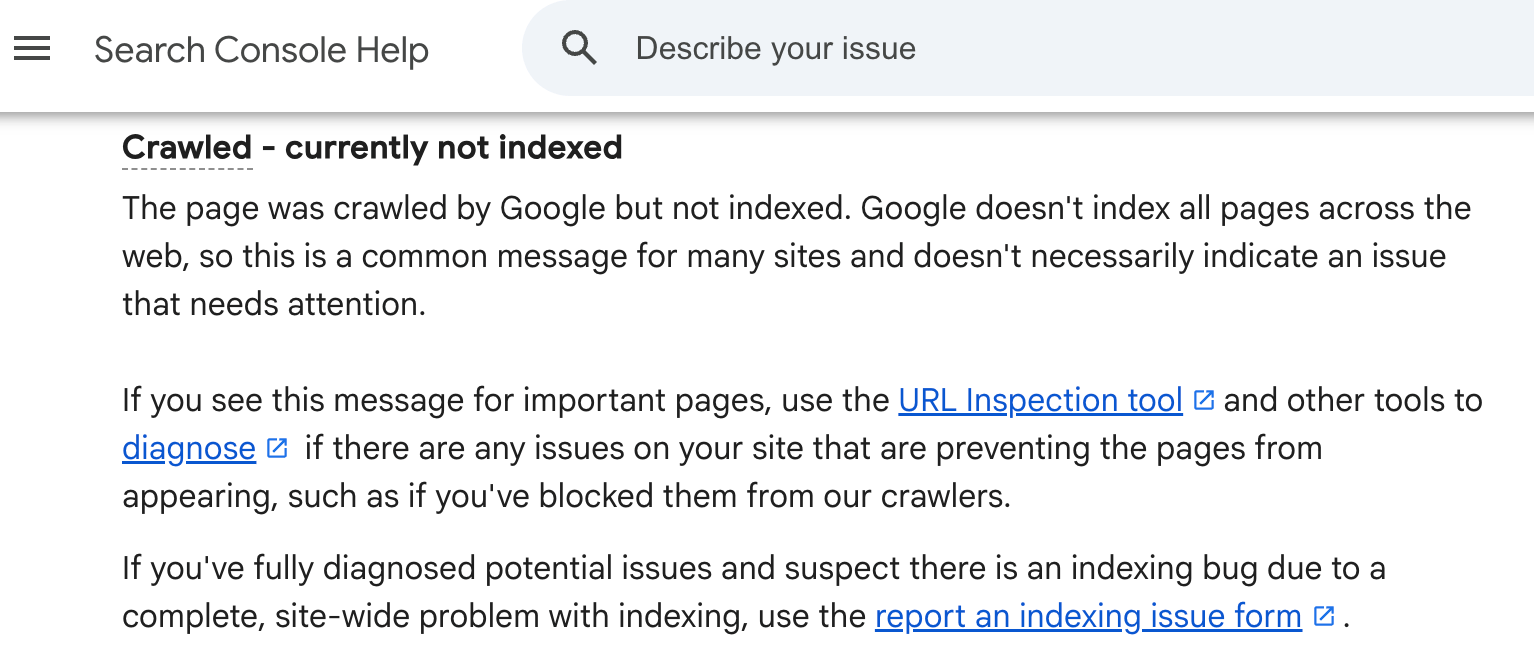
Google Updates Crawled - Currently Not Indexed Details
Google’s help page now tells site owners that it never indexes every page, so seeing this status is common and does not automatically mean something is wrong.
 Marie Haynes · 2 days ago
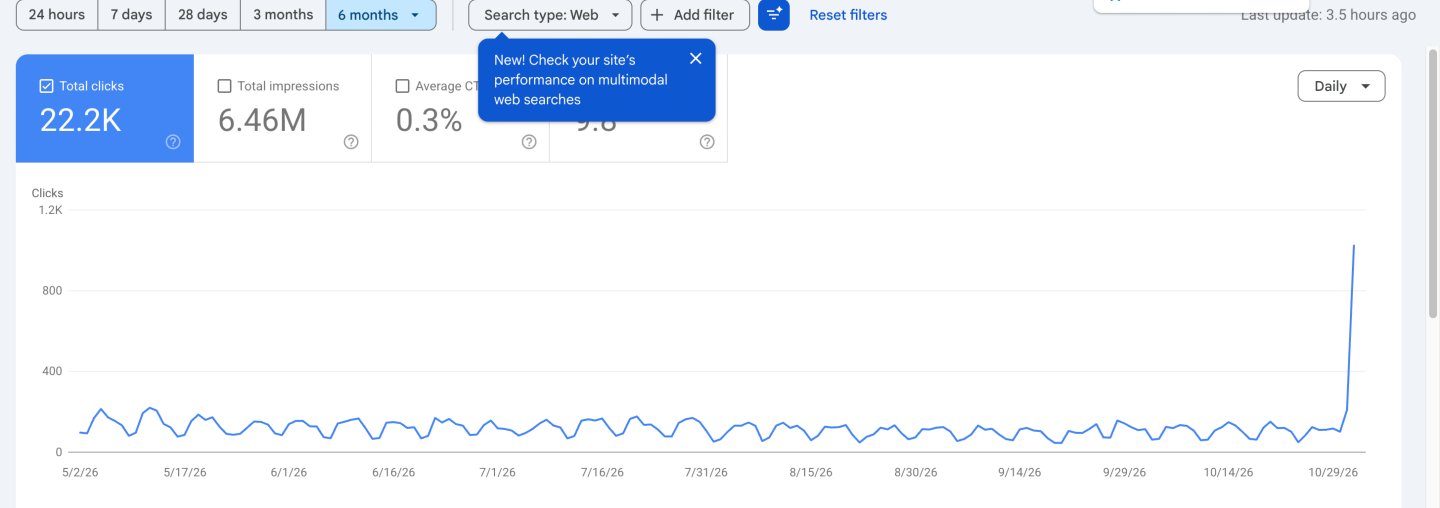
Massive Click Spikes in Google Search Console (Early November 2026): What Is Going On and How to Filter Your Reports
Several sites saw clicks jump 2 to 6.5 times between October 31 and November 2 with flat impressions; the cause is unconfirmed, and Marie Haynes suggests report filters.
 Search Engine Roundtable · 2 days ago
Google Performance Reports Showing Weird Spike In Clicks For Some Sites
Search Engine Roundtable reports that some sites, though far from all, show sudden click jumps in Search Console over recent days, and a reporting bug is one possible explanation.
From Search Engine Journal, Search Engine Roundtable, Marie Haynes.
Trend
What the Wire Is Writing About
Volume by topic in the last 30 days, search and AI together. Arrows show change from the previous 30.
Findings
What We Know About Search Right Now
Each one is marked by the strength of the evidence behind it.
Google's crawling documentation says 404 and other 4xx answers (except 429) have no effect on crawl rate, and Google staff say 404s for truly gone pages are normal and carry no penalty; redirect only to a real replacement.
The crawl-rate point is documented; the no-penalty and custom 404 page advice comes from a Google video, not a written doc. 5xx and 429 answers do slow crawling.
2026-10-28 · sourceRestaurants can switch off individual third-party ordering providers on their Google Business Profile; all providers are on by default.
Google's ordering policy confirms merchants can disable a partner; the exact switch names and the pickup and delivery split come from a Google staff post seen only in reports.
2026-10-28 · sourceGoogle's favicon guidance now says Googlebot must be able to crawl the home page, follow any redirects to the page declaring the favicon, and fetch the favicon file itself; a blocked or broken chain means no icon in results.
Google does not guarantee a favicon is shown. The change is not listed in Google's documentation changelog; the old wording is known only from an archived copy.
2026-10-27 · sourceGoogle's spam guidance now says that services letting users create shareable pages, generated outputs or tools should noindex those pages, or block them, by default when they are made for sharing or utility rather than search.
The advice is conditional on purpose: pages meant to be found in search are not covered. Google announced no new penalty; the crackdown framing is the reporters' interpretation.
2026-10-26 · sourceGoogle says robots.txt controls only which addresses a crawler may fetch, not what is done with the content afterwards; it honours just four fields (user-agent, allow, disallow, sitemap), and advises writing non-English paths in percent-encoded form.
Google's own parser treats raw UTF-8 and percent-encoded paths identically; the encoding advice is for other and older crawlers. The video does not cover Google-Extended, which has no user agent of its own.
2026-10-21 · sourceDuring planned downtime Google wants a 503 status with a retry-after header, served from outside the application, with robots.txt still answering 200; a 404, a 200 error page or a 503 lasting more than a day or two can get pages dropped from the index.
Google also says it cannot refresh titles, descriptions or structured data while pages return 503, so the window should be short.
2026-10-21 · sourceGoogle says JPEG XL images are not supported in Google Images or Discover previews; its documentation lists BMP, GIF, JPEG, PNG, WebP, SVG and AVIF, and a picture element with an img fallback in a supported format still works.
Stated by John Mueller on Bluesky on 15 October and consistent with the documentation; Google gave no timeline for support.
2026-10-21 · sourceA raw bracket and its percent-encoded form are different URLs to Google, as are a space, a plus sign and %20; Google's URL guidance says reserved characters must be percent-encoded and non-ASCII characters should be, and one form must be used everywhere: links, canonical, sitemap and structured data.
Mueller says a site already using raw brackets will probably keep working through de-duplication; the advice is for new sites and for consistency. He added he had given the opposite answer in the past.
2026-10-21 · sourceOn 16 October 2026 Google removed the approval form from its Indexing API docs. The API is still documented only for job postings and livestreams.
Whether approval is still needed in practice is unclear.
2026-10-16 · sourceGoogle says it is placing inline links higher in AI Overviews and AI Mode, and is testing a section at the top of task answers that names the one or two official sites, with a reason for each.
Google calls the official-site section a test and gives no timeline, no click figures, and does not quantify the inline-link increase.
2026-10-15 · sourceIn Search Console, every link inside an AI Overview is reported at the same single position, so a link moving higher inside the overview will not show up as a ranking change.
Barry Schwartz reports that Google privately declined to add click data to its AI performance reports. That rests on a private comment to him.
2026-10-15 · sourceGoogle converts a PDF's text to HTML when indexing and ranks it like any page, including in AI answers. Scanned, image-only PDFs give it no text, and Google prefers HTML.
An OCR text layer on a scan helps search only; under our Torah-text rule it is never shown as quotable text.
2026-10-14 · sourceAll 47 findings
For a domain move, Google's documentation says to file Change of Address for every variant of the old domain (www and plain, all subdomains) and keep redirects at least 180 days, generally a year.
A www-to-plain change within the same domain should not use the Change of Address tool.
2026-10-13 · sourceGoogle's guidance now calls fabricated creator profiles (AI-generated headshots, made-up names, false credentials) deception that makes a page untrustworthy to readers and to its quality systems.
Deciding what is fabricated needs a person.
2026-10-10 · sourceFrom 12 November 2026, Anthropic's Usage Policy forbids using Claude to manipulate the sources that search engines and AI answers draw on, including networks of sites posing as unrelated sources that back the same claims.
The policy governs people who use Claude, not how Claude ranks or cites content (iPullRank makes this point too). Anthropic's September threat report describes banning one operation: about 70 fake local-news sites with at least 8,913 articles in about 20 languages, built to raise search authority.
2026-10-09 · sourceGoogle's September 2026 spam update ran from 24 September to 8 October 2026, worldwide and in all languages, and took about 13 and a half days where earlier 2026 spam updates took under three.
The dashboard confirms the dates only. Google does not say which sites an update affected.
2026-10-08 · sourceGoogle is taking applications from large forums and social platforms to send trending posts straight to Google, outside normal crawling.
2026-10-08 · sourceGoogle's helpful-content guidance now defines main content as whatever directly helps the page do its job, including tools such as calculators or search, and calls its quality one of the most important page-quality factors.
Google's changelog has no dated entry for this change; the page says it was last updated 5 October 2026.
2026-10-02 · sourceMixed URL forms (/page and /page/) in links and canonicals cause redirect hops and split signals. On Netlify, /about is forwarded to /about/ by default.
The Ahrefs part is practitioner advice; the Netlify behavior is from Netlify's docs.
2026-10-01 · sourceMicrosoft's NLWeb answers natural-language questions over a site's schema.org data, but it needs a running server, a vector database and an AI provider.
The Moz piece promotes a vendor integration and gives no adoption data.
2026-09-25 · sourceSince 24 September 2026, Search Console's performance reports include image-based searches (Lens, Circle to Search, image uploads) under a new multimodal filter.
Not yet in the Search Console API, so the weekly audit cannot pull it.
2026-09-24 · sourceGoogle defines scaled content abuse as making many pages mainly to rank, with little value, however they are made, including combining content from other pages without adding value. It tells sites that host such content to keep it out of Search.
The policy does not name directories or programmatic pages as such; they fall under it only when they match the definition.
2026-08-31 · sourceSince 30 August 2026, Google enforces its site reputation abuse policy (third-party content hosted to borrow a site's standing) differently in Europe: no manual action there, and the section may be ranked separately instead.
Covers third-party content only. Republished Beis Moshiach articles are first-party.
2026-08-28 · sourceGoogle's August 2026 spam update ran from 18 to 21 August 2026, worldwide and in all languages.
2026-08-21 · sourceGoogle's own podcast on the Page Indexing report presents 'Crawled, currently not indexed' as usually a site-wide quality issue rather than a technical bug, and says a healthy site does not need every page indexed.
Confirmed from the show notes and Google's help page; the transcript was not read.
2026-07-16 · sourceGoogle warns that CDNs and security layers sometimes serve Googlebot an 'are you a bot?' challenge page with a normal 200 status, which corrupts crawling.
Spoofing the Googlebot user agent does not reproduce rules keyed to Google's IP addresses; the URL Inspection live test is definitive.
2026-07-16 · sourceBing Webmaster Tools can import sites and sitemaps straight from Google Search Console, up to 100 sites at a time, verified automatically.
The how-to is a 2019 Bing post. Bing rechecks ownership against Search Console, so revoking Google access can drop sites.
2026-02-11 · sourceBing says duplicate content brings no penalty, but AI systems group near-duplicate pages and pick one to represent the group, possibly an outdated copy.
Bing gives no data on how often the wrong copy gets picked.
2025-12-20 · sourceNetlify redirects www and plain domains to each other, but its docs do not promise that a site's netlify.app address redirects to the real domain, and draft URLs are not documented as hidden from search.
Netlify's docs are silent on this, so the behavior has to be measured site by site.
2025-12-20 · sourceBing recommends IndexNow, a ping that tells participating search engines which pages were added, changed or removed.
Helps only engines that take part in IndexNow; Google is not one of them.
2025-12-20 · sourceGoogle says that to appear in AI Overviews or AI Mode a page only has to be indexed and eligible for a snippet. It needs no special AI text files or special schema.
Google only. The page was last updated 2025-12-10.
2025-12-10 · sourceIn a study of about 193,500 AI answers, pages ChatGPT and Google's AI features cited opened with a direct answer more often than comparable pages they skipped (20% against 5% in blind ratings).
An agency study: 193,507 answers from 4,167 questions tracked for its own 78 clients, Aug to Oct 2026; the blind rating used 195 pairs. The authors call the results associations, not causes.
2026-10-28 · sourceTwo analytics studies find AI assistants send about 0.6% to 2.6% as many visits as Google organic search; those visits convert as well or better per session, but Google still delivers roughly 30 times the conversions.
Marie Haynes: 100 sites, 145 million sessions, 12 months of GA4, only 55 sites with conversion tracking, ChatGPT at 0.62% of Google organic. The SEO Works: 95 sites, September 2025 to August 2026, 63 sites in the conversion comparison, AI at 2.6% of organic, converting 1.18 times better pooled but worse on 23 of 63 sites. Both authors sell SEO services. Google AI Overview clicks count as organic in both and cannot be separated.
2026-10-22 · sourceFor questions asked in Chinese, ChatGPT ran its web searches in English about two thirds of the time.
The 67 to 70% figures come from SEJ, not the paper's abstract. Only Chinese was tested, on 40 questions; Hebrew and Yiddish are our inference. The added English must never alter the Torah text itself.
2026-10-18 · sourceIn four case studies from the August 2026 spam update, sites with mass programmatic pages lost visibility across the whole site, not only on the thin pages.
Only four anonymized cases, measured with third-party visibility tools, no control group.
2026-08-31One site that switched off Google's AI Overviews and AI Mode through the Search Console control saw an estimated 0.9% click rate from AI impressions and also lost ordinary organic clicks.
A single unnamed site in a LinkedIn post by Cyrus Shepard; no click counts, dates or control group, and the 0.9% is a residual estimate.
2026-10-30Gemini reportedly stopped adding utm_source=gemini to the links it cites around late September, so its visits may show as direct or as an unlabeled referral in analytics.
Seen in one practitioner's data; Google never documented the parameter and has made no statement. The Gemini iOS app reportedly sends no referrer at all.
2026-10-30Search Console's Page Indexing report stopped updating after 16 October; Google's John Mueller reportedly said this is not a concern and that indexing changes show in the Performance report first.
Mueller's remark was a Reddit comment, read here only as quoted by reporters. Google's help page says data is normally 2 to 3 days behind and lists no anomaly for this delay.
2026-10-27Rank-tracking tools showed heavy Google ranking movement on 20 and 21 October 2026, with some sites in health niches dropping out and returning around 16 October; Google has confirmed no update, and its status dashboard lists only the September spam update.
Unconfirmed. The status dashboard shows the September spam update starting 24 September and running 13 days 16 hours, and nothing in October. Several tracking tools were still struggling to report Google results reliably this month.
2026-10-21 · sourceChartbeat reports that search engines fell to 12% of North American publisher pageviews in the third quarter of 2026, from 21% a year earlier, while it says overall traffic to its publishers stayed steady.
Chartbeat gives no sample size or method and reports Google and Bing as one line; the percentages appear in a chart, as read by Search Engine Journal. A falling share can mean fewer search visits, more from elsewhere, or both.
2026-10-20 · sourceGoogle appears to be testing the Google Posts section higher up the local business panel, after keeping it at the bottom since 2018.
Spotted by Ben Fisher, who called it a test and saw the position go up and back down within days. No statement from Google.
2026-10-19The fall in ChatGPT referral traffic in analytics from about 9 October appears to be mostly a tracking gap: inline answer links stopped carrying the chatgpt.com tag and referrer, so visits showed up as Direct. A fix began rolling out on 15 October.
Evidence comes from vendor posts (Adobe, Graphite, LLM Pulse, Profound). The 'bug' confirmation is one person's private report from OpenAI; OpenAI's own release notes do not mention it.
2026-10-15Google's Gary Illyes reportedly said recovery after a core update typically takes three to six months (slowest six to twelve), and site moves one to three months.
Only from an attendee recap of Search Central Live Barcelona on 2 October 2026. Google has not published these figures.
2026-10-10Google's John Mueller reportedly said 'Couldn't fetch' on a valid sitemap usually reflects low crawl demand, which often depends on how Google rates the site's quality.
Not confirmed at the source; the transcript was unavailable.
2026-10-10Ahrefs warns that static sites often answer missing pages with a normal 200 status, usually because a catch-all rule serves the home page for every unknown address.
One practitioner case, no wider data.
2026-10-01Marie Haynes argues that a stalled domain move, with pages left unindexed for months despite correct redirects, may be Google re-judging the site's quality rather than a technical fault.
One hobby-blog case; the author calls it a theory.
2026-10-13Generated sitemaps on static sites often list pages that are marked noindex, and robots.txt cannot stand in for noindex.
General practice, no data.
2026-10-01The wire
What Google and Bing Said This Month
Sources
Findings and wire from TopSearch, updated daily from 12 sources: Google, Bing, the AI companies, search reporters and testers.